Most CPG brand teams have more access to consumer data than they know what to do with. There’s syndicated category data, retailer loyalty data, social listening reports, panel studies, website analytics, and CRM records, all sitting in different systems, owned by different teams, and telling different versions of the same story. The challenge is knowing which type of data to trust for which decision.
Getting that right matters more than it used to. Consumer data is the foundation of almost every significant marketing decision a CPG brand makes: which promotions to run, which retailers to prioritise, which buyer segments to invest in, and how to justify the spend afterward. When the data foundation is solid, those decisions get sharper. When it isn’t, you’re building on guesswork and calling it strategy.
This is a practical guide to the main types of consumer data available to CPG brands, where they come from, what they’re actually good for, and where each one tends to fall short.
First-Party Data: The Asset You Own
First-party data is collected directly from your own consumers through your own channels: promotions, loyalty programs, receipt-based campaigns, surveys, and direct opt-ins. It’s the only type of consumer data you fully own, and it’s becoming more valuable as third-party alternatives become less reliable and harder to access.
First party data collected through verified purchase events is particularly powerful because it combines behavioural truth (what the person actually bought) with permissioned identity (who they are and how to reach them).
What it’s good for: retargeting verified buyers, building loyalty sequences, personalising future campaigns, and understanding the real behaviour of your actual customer base rather than a modelled approximation of it.
Where it falls short: it takes time to build and is limited to consumers who’ve already engaged with your brand. If you’re a newer brand or launching into a new category, your first-party database may be too small to draw meaningful conclusions from on its own.
The practical implication: every campaign you run should be designed to grow your first-party data asset, not just drive a one-time transaction.
Let’s ground that in some numbers. A cashback promotion that generates 10,000 verified purchases and 7,000 opted-in consumers is worth significantly more than one that generates 10,000 purchases and no contact data. The purchases prove the offer worked. The opt-ins are what you market to next time.
Second-Party Data: Someone Else’s First-Party Data
Second-party data is essentially first-party data acquired through a partnership. A retailer sharing purchase data with a brand, or two complementary brands sharing audience data with each other, are both examples of second-party data exchange.
What it’s good for: expanding your reach beyond your own audience with data that’s more reliable than most third-party sources, because it comes directly from another organisation’s verified records rather than being modelled or inferred.
Where it falls short: availability depends entirely on the willingness of the partner to share, and the terms are often restrictive. Retailer data partnerships in particular tend to give brands limited visibility into individual consumer behaviour and even less ability to use the data outside the retailer’s ecosystem. You get reports, not records.
The practical implication: second-party data is useful for supplementing your own first-party database, but it’s not a substitute for it. If the partnership ends or the terms change, so does your access to the data. Building your own verified purchase database alongside any partnership arrangement is the more durable strategy.
Third-Party Data: Broad Reach, Variable Reliability
Third-party data is collected by external providers and sold or licensed to brands for targeting, research, or analysis. This includes syndicated category data from major research firms, audience segments from data brokers, panel-based purchase data, and modelled consumer profiles. Most consumer data providers operate in this space.
What it’s good for: category-level trend analysis, competitive benchmarking, audience discovery, and understanding the broad market context your brand is operating in. When you need to understand what’s happening across a category rather than for your specific brand, third-party data is often the most practical starting point.
Where it falls short: third-party data has two structural problems that matter a lot for decision-making. First, it’s typically delayed, sometimes significantly. By the time syndicated category data reaches you, the window to act on it may have already closed. Second, its accuracy for individual consumer behaviour is limited. Panel data extrapolates from a fixed sample. Modelled profiles infer behaviour from proxies. Neither is a substitute for verified purchase records.
The practical implication: use third-party data to understand the market, not to understand your consumer. For the decisions that depend on knowing what your specific buyers are actually doing, first-party verified purchase data will consistently produce more reliable and more actionable answers.
Zero-Party Data: What Consumers Tell You Directly
Zero-party data is information a consumer proactively shares with a brand, typically in exchange for something: a personalised recommendation, an exclusive offer, or a better experience. Survey responses, preference centre inputs, and product feedback collected through a campaign experience are all examples.
What it’s good for: understanding stated preferences, motivations, and attitudes that behavioural data alone can’t capture. If you want to know why a shopper chose your product over a competitor, or what they’d want from your next launch, zero-party data is the most direct way to find out.
Where it falls short: stated preferences don’t always match actual behaviour. People consistently overstate their likelihood to buy premium products and understate price sensitivity when responding to surveys. Zero-party data is most useful when it’s validated against actual purchase behaviour rather than treated as a standalone signal.
The practical implication: the most powerful approach combines zero-party data collection with purchase validation. A post-purchase survey embedded in a cashback campaign gives you both verified behaviour (the purchase happened) and stated preference (why they bought, what they’d buy next, how likely they are to return). That combination is significantly more reliable than either data type alone.
Purchase Data: The Behaviour That Doesn’t Lie
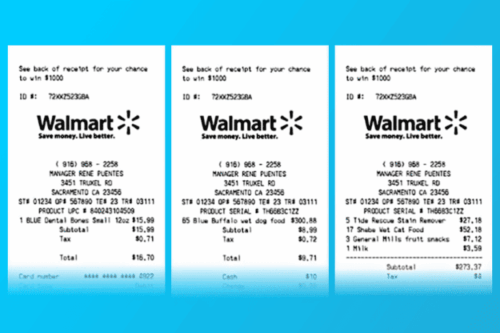
Purchase data is the most direct signal of consumer behaviour available to CPG brands. A shopper who buys a product, pays full price, and comes back the following month is telling you something concrete and repeatable that no survey or demographic profile can replicate. Consumer intelligence built on verified purchase records is more reliable than intelligence built on any other data type, precisely because it starts with something that actually happened.
What it’s good for: attribution, retention strategy, promotional ROI measurement, shopper segmentation, and retail velocity analysis. Purchase data answers the questions that matter most for CPG brand decisions: who bought, what else was in their basket, which retailer they used, whether they came back, and whether the promotion drove genuinely incremental volume or just pulled forward a purchase that would have happened anyway.
Where it falls short: not all purchase data is equal. The quality gap between verified receipt-based purchase data and estimated or modelled purchase data is significant. Panel data extrapolates from a sample. Credit card aggregates miss cash transactions and can’t tell you what specific product was bought. Loyalty card data only captures purchases made by members at participating retailers. Verified receipt data, where a real transaction is confirmed before it enters the database, is the most reliable form of purchase data available for CPG brands.
The practical implication: when building a consumer intelligence strategy, anchor it in verified purchase data wherever possible. Everything else, the demographic profiles, the attitudinal research, the category benchmarks, becomes more useful when it’s layered on top of a foundation of real, confirmed purchase behaviour.
Choosing the Right Data for the Right Decision
Different decisions require different data types, and mixing them up is one of the more common and costly mistakes in CPG marketing. Here’s a practical guide to matching data type to decision:
- Understanding the category: third-party syndicated data
- Measuring promotion ROI: verified first-party purchase data
- Retargeting existing buyers: first-party opted-in consumer data
- Understanding shopper motivations: zero-party survey data, validated against purchase behaviour
- Identifying new audiences: second-party or third-party data, supplemented by your own first-party records
- Defending shelf space with a retail buyer: verified velocity data at the retailer and SKU level
The brands that consistently make better decisions aren’t necessarily the ones with access to more data. They’re the ones who’ve figured out which type of data to trust for which question, and built the infrastructure to collect and verify the data that matters most.
The Data That Drives Decisions
Consumer data is only as valuable as the decisions it enables. A category report that sits in a shared folder, a panel study that contradicts your own sales data, a demographic profile built from inferred attributes: none of these move product off a shelf or justify a promotional budget to a finance team.
The brands getting the most from their consumer data strategies are the ones who’ve anchored their analysis in verified purchase behaviour, built their first-party database through every campaign they run, and treated data quality as a prerequisite rather than an afterthought.
Ourcart validates in-store purchases at the transaction level, giving CPG brands verified, basket-level consumer data they can build on. See how it works.