Most CPG brands have more data than ever. They’re running digital campaigns, collecting loyalty sign-ups, tracking website behavior, and pulling reports from half a dozen platforms. And yet, for many of them, a surprisingly basic question still doesn’t have a reliable answer: why did that shopper actually buy?
That’s the gap consumer intelligence is designed to fill. Not more data, but better data: the kind that tells you what real shoppers are actually doing, not what they say they do in a survey or what an algorithm infers from their browsing history.
In 2026, with margin pressure mounting and marketing budgets facing more scrutiny than ever, getting consumer intelligence right has moved from a nice-to-have to a genuine competitive advantage. Here’s what it actually means, why most brands aren’t quite there yet, and how working with the right consumer insights company can change that.
What Consumer Intelligence Actually Means
Consumer intelligence is the practice of turning raw consumer data into actionable knowledge about how, where, and why people buy. Think of it as the layer above data collection. You’re not just gathering information, you’re building a clear, reliable picture of shopper behavior that your brand can actually act on. Good consumer data is the raw material. Consumer intelligence is what you build with it.
The distinction matters because a lot of what brands call consumer intelligence isn’t really that. Modeled behavior, panel data, and self-reported surveys have been the industry standard for decades, and they all share the same fundamental weakness: they’re approximations. They tell you what a representative sample of shoppers might do, not what your shoppers actually did.
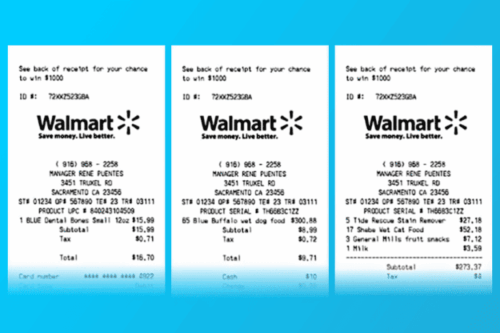
Real consumer intelligence is grounded in verified behavior. It starts with a purchase that actually happened, at a real retailer, by a real shopper. Everything flows from there.
What Good Consumer Intelligence Looks Like in Practice
The shift toward genuine consumer intelligence starts with anchoring insights in verified purchase data. When a brand knows that a specific shopper bought a specific product at a specific retailer on a specific date, that’s a fact, not an estimate. Building shopper intelligence on top of verified purchases gives you a completely different quality of insight.
In practice, that means being able to answer questions like:
- Which campaigns are actually driving in-store purchases, and which ones just look good in a digital dashboard?
- What else is in the basket when a shopper buys your product, and what does that tell you about who they are?
- Which retailers are driving the most incremental volume, and which are cannibalizing each other?
- How does purchase behavior shift after a promotion, and are those new buyers sticking around?
These aren’t exotic questions. They’re the questions brand and shopper marketing teams have been trying to answer for years. The difference is that verified purchase data makes it possible to answer them with confidence instead of educated guesswork, and to do it consistently across every campaign rather than as a one-time deep dive.
Intelligence You Can Actually Use
Consumer intelligence in 2026 isn’t about having the most data. It’s about having the right data, collected the right way, from real purchases made by real shoppers. When that foundation is in place, everything else gets sharper: campaign measurement, promotion strategy, product development, and retail planning all improve because they’re drawing from the same reliable source.
The brands that get this right aren’t just better at reporting. They’re better at making decisions, faster and with more confidence, which compounds into a real competitive edge over time.
If your consumer intelligence is still built on modeled estimates and self-reported surveys, it’s worth asking what you might be missing. Learn more about how Ourcart turns verified in-store purchases into consumer intelligence brands can trust.
Why 2026 Is a Turning Point
A few things are converging right now that make consumer intelligence more urgent than it’s been in a long time.
Margin pressure is real. Tariff uncertainty, input cost volatility, and retailer negotiations are all squeezing CPG brands from multiple directions. In that environment, every promotion needs to be justified, and every marketing dollar needs to demonstrate a return. Brands can’t afford to run campaigns based on assumptions and hope the numbers work out at the end of the quarter.
At the same time, the bar for measurement has gone up. Finance teams, not just marketing teams, are asking hard questions about what drove sales and what didn’t. Modeled attribution and estimated lift aren’t satisfying those questions the way they used to.
And the brands that are pulling ahead are the ones treating consumer intelligence as an infrastructure investment, not a one-off research project. They’re building systems that generate verified purchase insights continuously, not commissioning a study once a year and hoping it’s still relevant by the time the findings land.
The Role of First-Party Purchase Data
One of the most significant shifts in consumer intelligence right now is the move toward first-party data ownership. As third-party cookies continue to lose relevance and data privacy expectations tighten, brands that have built their own verified consumer databases are in a fundamentally stronger position than those still relying on rented audiences and third-party panels. The brands investing in this now are building an asset that grows in value over time, while those that aren’t are becoming increasingly dependent on data they don’t own and can’t fully trust.
First-party purchase data, collected through promotions, loyalty programs, and receipt-based campaigns, gives brands something that external data sources simply can’t provide: a direct, verified connection between a real shopper and a real purchase. That connection is what makes consumer intelligence genuinely actionable rather than directionally interesting.
It also compounds over time. A brand that consistently collects verified purchase data across its promotions builds a richer picture of its shopper base with every campaign. Purchase frequency, brand switching behavior, seasonal patterns, retailer preferences: all of it becomes clearer the more verified data you accumulate. And because that data is grounded in real transactions rather than estimates, the insights you draw from it get more reliable as the dataset grows, not less.
Why Traditional Consumer Research Falls Short
There’s a reason so many brand teams still feel like they’re flying partially blind despite having access to more research tools than ever. Traditional methods have real structural limitations that don’t get talked about enough.
Surveys ask shoppers to recall and explain their behavior, which sounds reasonable until you consider how unreliable human memory is for routine purchases. Nobody remembers exactly why they grabbed a particular pasta sauce off the shelf three weeks ago. They’ll give you an answer, but it won’t necessarily be the real one.
Panel data solves part of that problem by tracking actual purchases, but panels are built from a fixed group of opted-in participants. They’re useful for trends, but they don’t necessarily reflect your actual customer base, and they definitely don’t tell you what’s happening at the basket level across the full range of retailers where your products are sold.
Digital behavior tracking, including clicks, views, and social engagement, is abundant but tells you almost nothing about in-store purchase decisions, which is still where the vast majority of CPG sales happen.
The result is that most consumer research is telling brands a version of the truth, not the whole truth. And in 2026, with every dollar of marketing spend under the microscope, a version of the truth isn’t good enough. Brands need insights they can defend in a budget meeting, not just ones that look plausible in a slide deck.