Promotions and loyalty programs have always attracted a certain amount of fraud. That’s not new. What has changed is the scale, the sophistication, and the speed at which bad actors operate. What used to be an individual submitting a receipt twice has evolved into coordinated networks running automated scripts, sharing receipt images across platforms, and probing campaign systems for validation gaps within hours of a promotion going live.
For CPG brands and loyalty operators running purchase-based programs, purchase fraud prevention has moved from a back-office concern to a front-line business issue. The financial stakes are real. So is the data quality problem that fraud creates downstream, because fraudulent submissions corrupt the purchase intelligence brands rely on to make decisions.
Why Modern Promotions Are Particularly Vulnerable
Purchase-based promotions create a direct financial incentive tied to a verifiable action: buying a product and proving it with a receipt. The verification step is what makes them valuable from a brand perspective, and it’s also what makes them a target. Every campaign that offers a meaningful reward creates an attack surface, and the more channels the promotion runs across, the more entry points exist for fraud to find a foothold.
A few factors make the current environment particularly challenging. Digital promotion tools have made it easier than ever to launch receipt-based campaigns quickly and at scale, but not every platform has invested equally in the fraud prevention infrastructure needed to protect them.
Loyalty programs with large member bases create high-value targets, where even a small percentage of fraudulent submissions across millions of members represents serious financial exposure. And the tools available to fraudsters have kept pace with the tools available to brands, which means a platform that was adequate two years ago may not be adequate today.
The brands and loyalty operators that are managing this well are building prevention into the validation architecture from the start.
The Difference Between Prevention and Detection
There’s an important distinction between fraud prevention and fraud detection that gets blurred a lot in vendor conversations. Detection means identifying fraudulent activity after it’s occurred, often after a reward has already been paid.
Prevention means stopping fraudulent submissions from resulting in payouts in the first place. Both matter, but receipt fraud detection that only operates retrospectively is solving the wrong problem. By the time a fraudulent pattern is identified and actioned, the budget impact has already happened. You’re doing damage control rather than protection.
Pre-payout validation is the architecture that makes prevention possible. Every submission is evaluated before any reward is triggered, not after. That means fraud scoring, duplicate checking, image integrity analysis, and timestamp validation all happen at the gate. Suspicious submissions are held or rejected before money moves. Legitimate submissions continue through without disruption.
The practical difference is significant.
A loyalty program processing three million receipts a month with a two percent fraud rate that’s caught post-payout is losing a meaningful amount of budget every month and then spending operational time trying to recover it. The same program with pre-payout validation built in stops the vast majority of that loss before it happens.
What a Layered Prevention System Actually Looks Like
Effective purchase fraud prevention isn’t a single check. It’s a layered system where multiple signals are evaluated together, because sophisticated fraud is designed to pass any individual check in isolation. The goal is to make the cumulative bar high enough that the effort required to clear it exceeds the value of the reward.
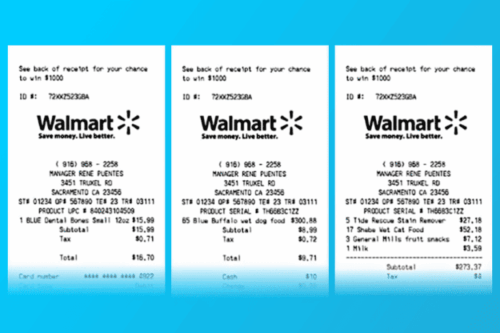
At the image level, transaction anomaly detection identifies receipts that have been edited or manipulated: font inconsistencies, pixel density anomalies around specific fields, compression artifacts that suggest content has been altered. This catches the edited receipt problem, where someone changes a product name, price, or quantity to make a non-qualifying purchase appear to qualify.
At the transaction level, validation confirms that the purchase actually makes sense: the product matches the known SKU at that retailer, the price falls within expected ranges, the basket total is internally consistent, and the purchase timestamp falls within the promotional window. Any receipt where the numbers don’t add up, or where the purchase details don’t align with known retailer data, gets flagged before the reward is processed.
At the account level, device fingerprinting and behavioral analysis identify patterns that suggest multiple accounts are being operated by the same person or coordinated group. A single account submitting at unusual velocity is one signal. A cluster of new accounts submitting from the same device or IP range is a stronger one. The system evaluates both, because organized fraud rings are specifically designed to distribute activity across accounts to avoid single-account triggers.
Across all of these layers, AI fraud scoring combines the individual signals into a composite risk assessment for each submission. A receipt that passes every individual check but still presents an unusual overall profile can be flagged for review based on its aggregate score. This is particularly important for catching novel fraud patterns that don’t yet match a specific rule but are statistically unusual relative to legitimate submissions.
The Data Quality Argument for Fraud Prevention
The budget protection argument for purchase fraud prevention is straightforward and tends to resonate quickly with finance teams. The data quality argument is less often made but equally important for the marketing and insights teams who depend on purchase data to understand shopper behavior.
When fraudulent submissions enter a purchase database without being caught, they distort every insight generated from that data. Redemption rates look higher than they are. Shopper acquisition metrics are inflated by fake accounts. Product velocity data reflects submissions rather than real purchases. If the receipt validation process isn’t filtering out fraud before it enters the data layer, the campaign performance reports and shopper insights built on top of that data are measuring a mix of real and fabricated behavior. The insights feel confident but they’re partially fiction.
This matters most when brands are using purchase data to make forward-looking decisions: which promotions to repeat, which shopper segments to invest in, which retailers are driving genuine incremental volume.
If the underlying data is contaminated by fraud, those decisions are built on a foundation that’s less reliable than it appears. Pre-payout validation protects not just the budget but the integrity of the purchase intelligence that brands need to grow.
Loyalty Programs Face a Specific Set of Challenges
Loyalty programs operate at a scale and with a member trust dynamic that creates a distinct fraud prevention challenge. A program with millions of active members processes an enormous volume of receipts, which creates both the fraud surface area and the operational pressure to automate validation rather than rely on manual review.
At the same time, loyalty programs have member relationships to protect: aggressive fraud flags that incorrectly reject legitimate members create support issues, churn risk, and reputational damage that can be as costly as the fraud itself.
The right balance is a validation system that’s strict enough to catch organized fraud and sophisticated manipulation, but accurate enough that legitimate members move through the process without friction.
That requires both strong automated detection and a thoughtful human review layer for submissions that fall into the gray zone, combined with clear communication processes for members whose submissions require additional verification.
Prevention Is a Design Choice, Not an Add-On
The brands and loyalty operators with the lowest fraud rates and the cleanest purchase data are the ones who built prevention into the architecture before the first campaign went live. Pre-payout validation, layered fraud scoring, and a review gate that catches edge cases before rewards are processed: these aren’t optional features for programs operating at scale. They’re the foundation that makes everything else reliable.
Ourcart’s purchase validation infrastructure is built around exactly this approach: fraud prevention that happens before payout, not after, across every submission and every campaign. Learn more about how Ourcart protects promotional budgets and purchase data integrity for CPG brands and loyalty programs.