For CPG brands, the purchase is the moment of truth. Every promotion, every loyalty reward, every campaign ROI calculation comes back to one thing: knowing that a sale actually happened. But in an omnichannel world where a consumer might discover a product through a social ad, research it online, and buy it at a grocery store across town, connecting digital marketing to real in-store purchases has never been harder.
That gap is where the budget gets wasted, fraud slips through, and marketing decisions get made on incomplete data.
Receipt validation closes that gap. It turns a simple receipt image into structured, verified transaction data that brands can actually trust, with confirmation in place before rewards are paid out, before insights are generated, and before campaign performance is reported.
The Omnichannel Measurement Problem
Today’s shopper journey is fragmented. A campaign might run across paid social, CTV, in-store displays, and digital coupons, all driving toward the same goal: an in-store purchase. But most measurement tools stop at the digital door. They can tell you how many people clicked an ad, but not how many walked into a store and actually bought the product.
That leaves brands estimating lift, modeling attribution, or in the worst case, assuming that promotional spend drove sales it never actually influenced. Without verified purchase data anchoring the analysis, omnichannel reporting is built on assumptions, not evidence.
Receipt validation solves this by creating a verified link between the shopper, the product, and the purchase, retailer-agnostic, across every channel and every store.
What Receipt Validation Actually Does
Simply put, receipt validation confirms that a specific product was purchased, at a specific retailer, at a specific point in time, and it does that before any downstream action is taken.
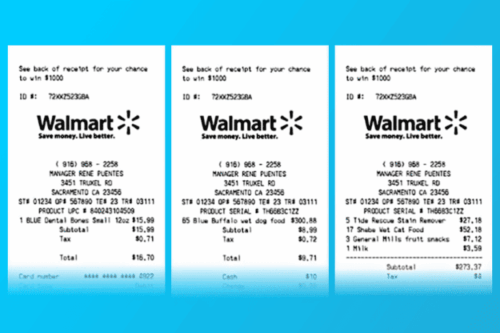
When a shopper submits a receipt, Ourcart’s platform extracts and validates:
- The retailer: chain name, store type, and location
- Basket-level product data: SKU, brand, product name, category, quantity, and unit price
- Financial details: total transaction value, payment method, coupons, and discounts
- Purchase timestamp: confirming the purchase falls within the valid promotional window
All of this happens before any reward is issued or any insight is logged. That pre-payout validation is what makes receipt fraud detection genuinely effective. Rather than catching problems after money has already gone out the door, validation acts as a built-in gate from the start.
How Validation Improves Omnichannel Accuracy
Once purchase validation is in place, accuracy improves across every dimension of omnichannel measurement.
-
Campaign attribution becomes verifiable.
Instead of modeling which campaigns drove sales, brands can match verified purchase events to the specific campaign touchpoints that came before them. If a shopper saw a paid social ad on Tuesday and submitted a receipt for that product on Thursday, the purchase is confirmed, not estimated.
-
Promotion ROI is grounded in actual results.
Redemption rates, average basket size, and incremental sales can all be calculated from verified data. There’s no need to adjust for assumed fraud rates or guess how many unverified submissions were legitimate.
-
Shopper behavior data reflects real decisions.
Because validation captures full basket context, not just the promoted product, brands get visibility into what else shoppers are buying alongside their products, which retailers they prefer, and how purchase patterns shift over time. That’s the kind of behavioral intelligence that surveys and panels just can’t reliably produce.
-
Cross-channel measurement becomes consistent.
When brand marketing, shopper marketing, finance, and promotions operations teams are all working from the same validated purchase data, omnichannel reporting stops being a patchwork of different tools and methodologies. One source of purchase truth drives every analysis.
That’s the real omnichannel accuracy gain. When every channel, every retailer, and every campaign feeds into the same validated purchase data, you’re no longer reconciling conflicting numbers across platforms or second-guessing which tool to trust. Instead of managing a thousand different versions of campaign performance, your teams are all working from the same verified source. The fragmentation of omnichannel marketing doesn’t disappear, but its impact on your data quality does.
The Fraud Problem in Omnichannel Promotions
Omnichannel promotions create real receipt fraud detection challenges. The more channels a campaign runs across, the more surface area exists for manipulation: duplicate submissions, edited receipts, invalid purchase dates, and coordinated fraud targeting high-value promotions.
Traditional promotion platforms often catch fraud after submission, and after rewards have already been processed. By then, budget has already walked out the door. Ourcart’s validation infrastructure identifies duplicate receipts, edited or manipulated images, and suspicious submission patterns before any payout is triggered. Fraud scoring happens at the point of validation, not as an afterthought.
For brands running national promotions, protecting that budget matters a lot, especially when margins are already under pressure.
Why Retailer-Agnostic Coverage Matters
One of the trickier challenges in omnichannel measurement is that purchase data is fragmented across retailers, and most brands don’t have POS integrations with every chain where their products are sold.
Receipt validation sidesteps that problem entirely. Because shoppers submit receipts directly, the platform captures purchases from any retailer: national chains, regional grocers, convenience stores, club stores, and beyond. Brands get a complete view of where their products are actually being purchased, not just where they happen to have data partnerships.
For brands trying to understand true market performance across an omnichannel retail environment, that kind of retailer-agnostic coverage is essential. Validated purchase data reflects where shoppers actually buy, not just where the data is easiest to access.
Validation Is the Foundation
Accurate omnichannel measurement starts with clean, verified data at the purchase level. If the underlying purchase data is unverified, every metric built on top of it becomes uncertain: attribution, ROI, fraud rates, shopper behavior, and channel performance.
Receipt validation provides that foundation. By confirming real purchases before rewards are paid, before insights are generated, and before decisions are made, it transforms omnichannel marketing from a system built on estimates into one built on verified purchase truth.
For CPG brands facing margin pressure, increased marketing scrutiny, and demand volatility, having that foundation in place makes a real difference. Learn more about how the Ourcart platform powers purchase validation across omnichannel campaigns.
Building a First-Party Purchase Data Foundation
Receipt validation also does something that goes beyond protecting promotions and measuring campaigns. Each validated purchase is an opportunity to build out a brand’s first-party purchase data solutions database, grounded in real consumer behavior rather than modeled estimates.
When a shopper opts in through a promotion or loyalty program, their validated purchase data becomes a first-party asset the brand owns. That includes the full basket: competing brands, retailer preferences, purchase frequency, and price sensitivity.
Over time, that data becomes a real competitive advantage, enabling smarter segmentation, more targeted promotions, and better product launch strategies. And because it’s built from verified purchases rather than self-reported surveys or inferred behavior, it’s more accurate and more actionable from day one.