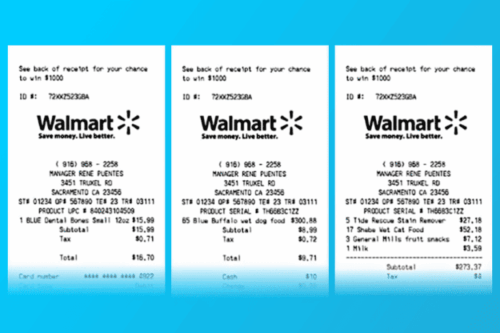
CPG brands are drowning in receipts. Cashback programs, digital sampling, loyalty rewards have all made it easier than ever to collect purchase data. But more receipts doesn’t mean better decisions. As receipt volume has exploded, confidence in that data has actually gone down.
You can collect thousands of receipts and still have no idea what’s really happening. Which purchases are legitimate? Which receipts have been submitted multiple times? Which baskets reflect real shopping behavior versus someone gaming your promotion?
That’s the trust gap brands face today. And as receipt-based programs scale, they need purchase data they can actually rely on before using it for payouts or decisions.
That’s where verified basket data comes in.
The Growing Trust Gap in Purchase Data
Receipt-based promotions are everywhere now. Cashback offers, rebates, loyalty programs, digital sampling all use receipts as proof that a purchase happened. And they work. People love getting money back, and brands love having purchase data instead of just impressions.
But as these programs scale, things get messy.
You run a cashback promo offering $2 back on your new protein bar. Submissions pour in, which looks great at first. Then you dig into the data and things get murky. The same receipt was uploaded three times. There’s a basket with just the SKU and nothing else. An image cropped just enough that you can’t see the date. Your team spends hours flagging issues manually, and by the time you have clean data, the campaign is already over.
Here’s what makes this even harder: shopping happens everywhere now. Target, Walmart, Instacart, Amazon Fresh, DoorDash. Every retailer formats receipts differently. Physical receipts look nothing like digital ones. When you’re running promotions with financial incentives attached, you’re going to attract submissions that technically qualify but don’t reflect actual purchase behavior.
Without stronger validation, receipt volume becomes a vanity metric that shows participation, not accuracy.
Why Traditional Purchase Data Falls Short
For years, brands relied on modeled data, panels, and syndicated reports to understand purchase behavior. These tools still have value, but they weren’t built for today’s world where shopping involves multiple retailers, promotions change weekly, and you need answers fast.
Panel data gives you trends at a category level. It can tell you protein bars are up 5% this quarter, but it can’t tell you if your specific promotion at Target drove that lift or if it was just noise. Small changes in retailer mix or shopper behavior can throw off the whole picture, especially when you’re trying to measure short campaigns or SKU-level performance.
Modeled data smooths over variability to show patterns. That works when you’re looking at broad trends. But it breaks down when you need to know which product moved, where, and why. The assumptions that make modeled data useful at scale make it unreliable for the precise questions brands actually need answered.
Receipt processing was supposed to close that gap. OCR made it possible to extract item names, prices, and totals at scale. Suddenly, brands could tie performance to real purchases instead of projections. That was meaningful progress.
But OCR just reads what’s on the receipt. It doesn’t validate authenticity or catch duplicates. It can capture what’s visible, but it can’t confirm whether a receipt is unique, complete, or actually eligible for your promotion. Teams end up with data that looks precise but isn’t dependable. Reports need manual cleanup. Edge cases pile up. Confidence erodes, especially when the numbers don’t line up across teams.
Traditional approaches can collect and extract purchase data, but they don’t verify it.
What Verified Basket Data Means in Practice
Verified basket data turns purchase submissions into information teams can rely on. In practice, this comes down to two things: seeing the complete basket and confirming the purchase is real.
The Full Basket, Not Just the Hero SKU
Most receipt programs only care about one thing: did they buy your product? But that narrow view misses crucial context.
A verified basket shows you everything in the cart. You can see if someone bought your protein bar alongside your competitor’s, if they’re buying on deal or at full price, if they bought more of your items or just your promotions. You can spot patterns in how your product fits into real shopping trips instead of guessing based on isolated data points.
This matters whether the purchase happened at a physical store or online. Different receipt layouts, retailer naming conventions, and formats all need to resolve into a consistent structure. When that happens, baskets become comparable across retailers and channels. Instead of squinting at receipt images, you get structured data that reflects what was actually purchased in a single transaction.
Validation That Happens Before Payout
Capture alone isn’t enough. You also need to confirm that each basket represents a real, unique, and eligible purchase.
This means identifying duplicate submissions before you pay out twice for the same receipt. Spotting reused or altered receipts before they contaminate your performance data. Checking that each submission actually meets your promotion rules before results get reported.
Timing matters here. If unverified submissions flow straight into your systems, problems surface too late. Someone in finance catches a discrepancy three weeks after the campaign ends. Your analyst spends days tracking down which receipts are problematic. Teams start questioning whether any of the numbers can be trusted.
When validation happens upfront, you start with confirmed purchases instead of raw volume. Problems get caught before they cascade into reports, dashboards, and payout systems.
Why Verification Changes the Value of Purchase Data
When purchase data is verified at the basket level, teams stop constantly second-guessing it.
Marketing can evaluate promotion performance and SKU-level lift with actual certainty across retailers and channels. Analytics spends less time cleaning data, more time interpreting what it means. Finance gets reports they don’t need to pick apart line by line.
Over time, this changes how success gets measured. Receipt counts and submission volume matter less on their own. What matters is whether each basket can be trusted as a real signal of purchase behavior. That foundation reduces the friction that slows teams down: the skeptical questions in every meeting, the extra validation steps before sharing results, and the hesitation before making decisions.
From Volume to Confidence: A New Growth KPI
As receipt-based programs keep scaling, volume alone stops being a useful measure. High submission counts don’t guarantee clean data, accurate ROI, or insights you can act on.
Verified basket data introduces a more practical measure: confidence.
Confidence that each basket reflects a real purchase. Confidence that SKU-level performance is accurate. Confidence that promotion results can support decisions without extra rounds of validation.
When you have that confidence, you can test, learn, and iterate on promotions without waiting for someone to manually clean the data first. You can answer “did this work?” without a week of reconciliation. You can move faster because the foundation is solid.
For modern CPG teams, verified basket data creates the conditions for sustainable, measurable growth built on purchase data they can actually trust.